Flat feet treatment in Whitchurch: do you need custom orthotics or insoles?

Flat feet treatment in Whitchurch: do you need custom orthotics or insoles?

Flat feet (or “fallen arches”) are common and don’t always cause problems, but for some people they can lead to aching feet, heel pain, ankle fatigue or discomfort higher up the leg. If you notice that your arches look low or your feet roll inwards, you might be wondering whether you need custom orthotics or insoles to help.

In this post I’ll outline how flat feet can feel, when they might need treatment, and how custom orthotics and insoles can support your feet day to day.


What are flat feet?

A flat foot is simply a foot where the arch sits lower towards the ground than average. In some people the arch is very low, while in others it is only slightly reduced. Flat feet can be present from childhood or develop over time.

Many people with flat feet have no pain at all, but in others the change in foot posture can affect how the feet and legs cope with standing and walking.

Common things people notice with flat feet:

  • Arches that look low or “collapsed”

  • Feet rolling inwards when walking or running

  • Shoes wearing out more on the inside edge

  • A feeling of tired or heavy feet after standing


How flat feet can feel in everyday life

Symptoms vary from person to person. Some patients with flat feet only notice mild discomfort, while others experience more persistent pain or fatigue.

You might notice:

  • Aching or tired arches, especially after standing or walking

  • Heel pain, particularly first thing in the morning or after rest

  • Ankle fatigue or a feeling that the ankles are rolling inwards

  • Shin, knee or hip discomfort that seems linked to your foot posture

Flat feet can also overlap with other conditions, such as plantar fasciitis, callus or hard skin under the forefoot, and recurring ankle or foot strain. That is why it’s helpful to look at foot posture, footwear and activity together rather than focusing on the arch in isolation.


When do flat feet need treatment?

Flat feet do not always need treatment. If you have low arches but no pain, good function and no activity limitations, you may simply need appropriate footwear and occasional monitoring.

Treatment becomes more relevant when:

  • Pain is affecting your day-to-day activities

  • You avoid certain sports or walks because of foot or ankle discomfort

  • You are getting repeated strains or overuse injuries

  • You see clear inward rolling (overpronation) that seems linked to symptoms

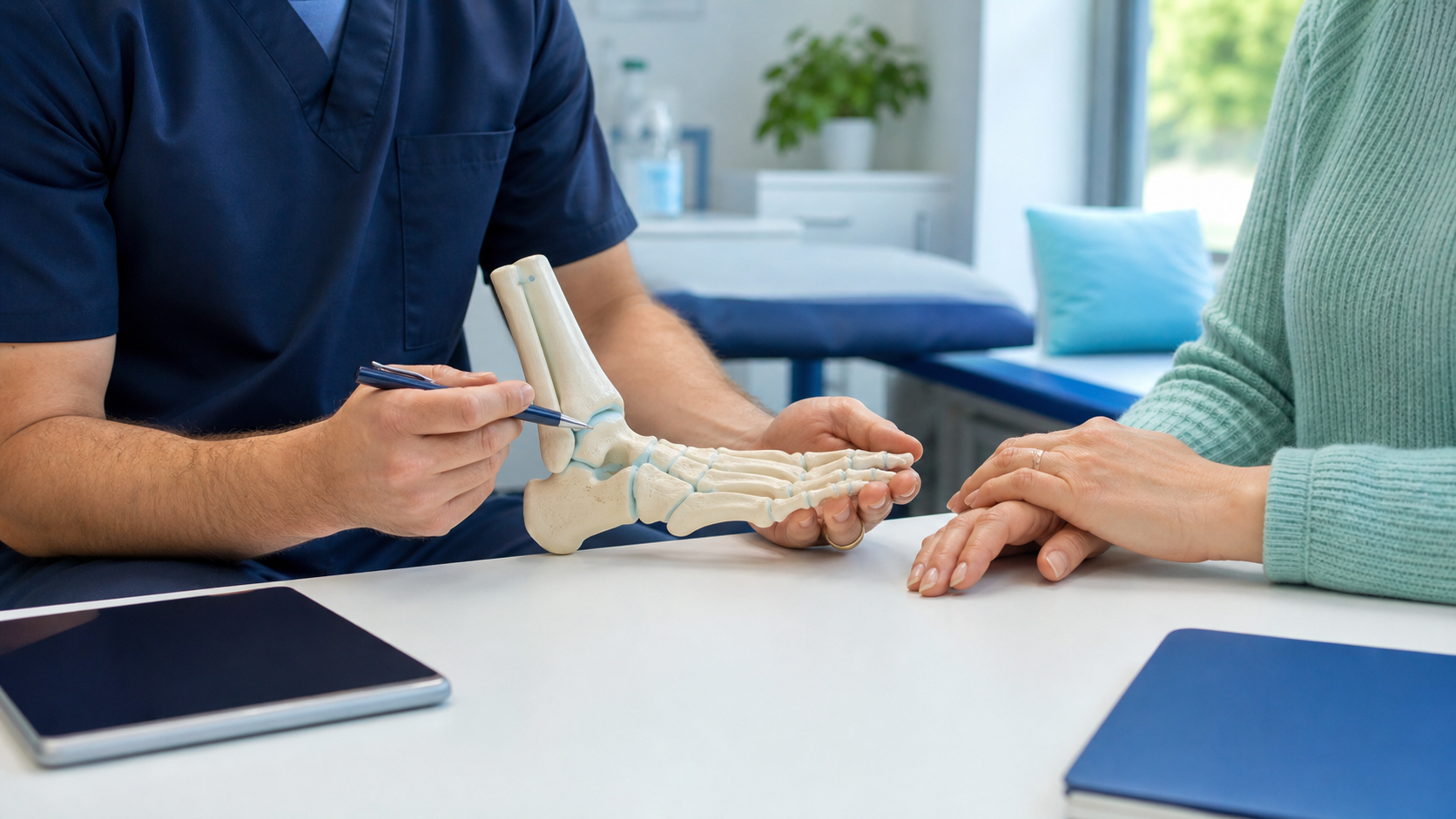
In those situations, a podiatry assessment can help to understand how your feet are working and what type of support or rehabilitation might be useful.


How custom orthotics and insoles can help flat feet

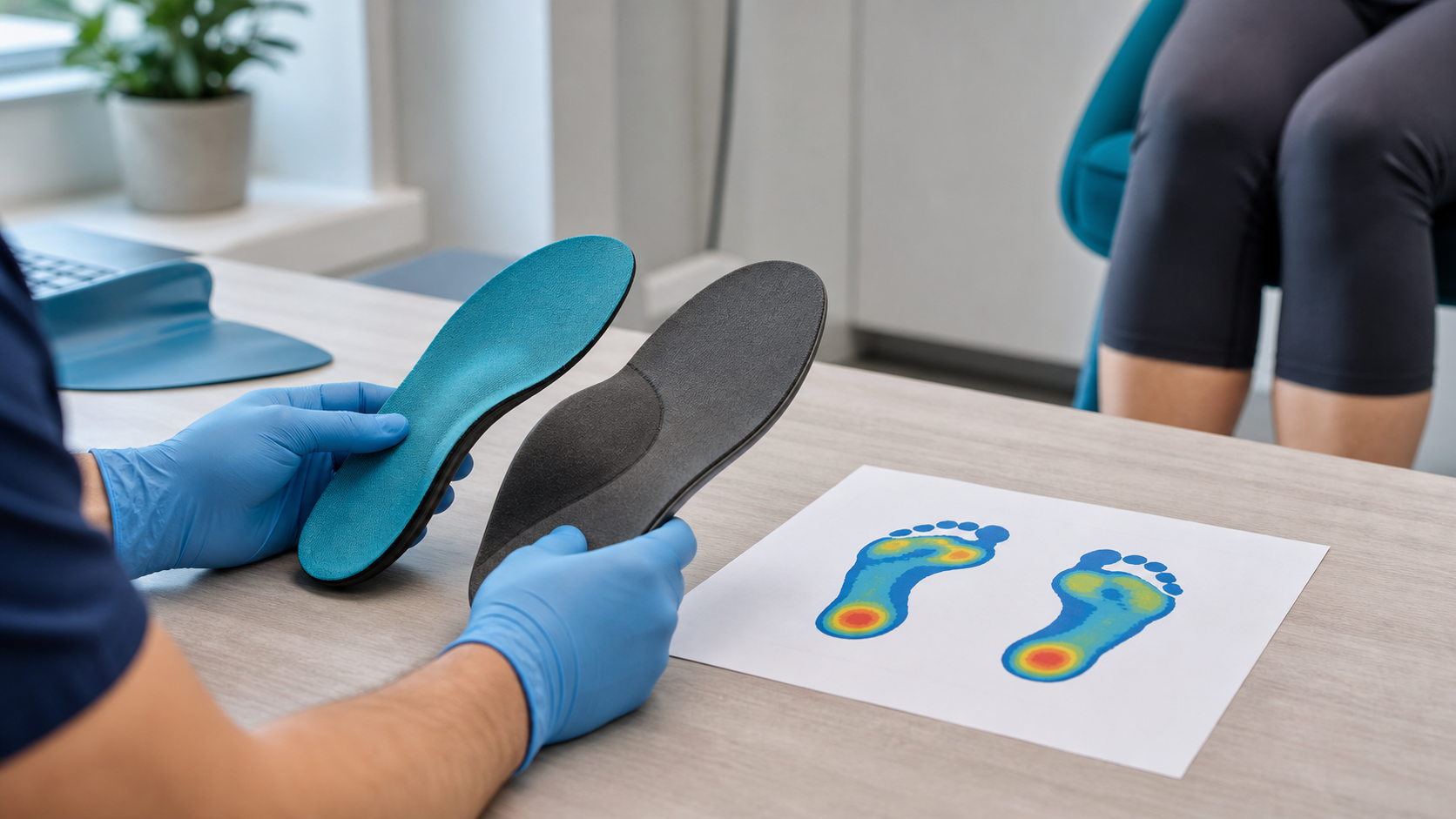
Custom orthotics (or custom insoles) are devices that sit inside your shoes to support and guide the way your feet move. They are designed around your own feet and gait pattern rather than being “off the shelf”.

They may help by:

  • Improving load distribution through the foot

  • Supporting areas that are under strain, such as the arch or heel

  • Reducing excessive inward rolling (overpronation)

  • Making it more comfortable to stand or walk for longer periods

Custom orthotics are often most effective when combined with other measures such as:

  • Gait analysis to understand exactly how you move

  • Footwear advice (and sometimes changing shoe style)

  • Exercise rehabilitation to improve strength and control

  • Managing any associated issues such as callus, corns or plantar fasciitis

What to do if you think your flat feet need support

If you’d like to know whether custom orthotics or medical insoles could help your flat feet, a good starting point is to read more about what’s involved in treatment.

You can learn more about the different types of orthotics and insoles we offer here:
Orthotics and Medical Insoles
https://dunfordhealth.co.uk/orthotics-and-insoles/dunfordhealth

When you’re ready to take the next step, you can arrange an appointment online:

Book an appointment
https://dunfordhealth.co.uk/book-an-appointment/dunfordhealth

Whether you are dealing with long‑standing flat feet, a recent change in arch height or new pain when you are on your feet, we can assess your foot posture, discuss your goals and decide together whether custom orthotics, insoles or other treatments are the right option for you.

Podiatrist Near Me in Whitchurch

Podiatrist Near Me: Why Local, Personal Foot Care Matters in Whitchurch

Podiatrist assessing a patient’s foot in a bright treatment room at Dunford Health in Whitchurch
Podiatry assessment at Dunford Health in Whitchurch.

If you have painful, tired, or problem feet, you’ve probably typed “podiatrist near me” into a search engine and wondered who to trust. Finding a local clinic is easy, but choosing a podiatrist who offers expert care in a calm, friendly environment is what really makes the difference.

At Dunford Health in Whitchurch, healthy feet are seen as the foundation of an active, comfortable life. The clinic combines clinical expertise with personal service to help you stay mobile, balanced, and confident on your feet.

What does a podiatrist actually do?

A podiatrist is a healthcare professional who diagnoses, treats, and helps prevent problems affecting your feet and lower limbs. That ranges from everyday issues such as corns, calluses and ingrown nails to more complex foot and ankle conditions.

Common reasons people search for a podiatrist near them include:

  • Persistent heel or arch pain that is not settling with rest.
  • Hard skin, corns, or cracked heels that are sore or unsightly.
  • Ingrown toenails that are painful, infected, or keep coming back.
  • Bunions or toe deformities that rub in shoes and limit activity.
  • Foot issues linked to long‑term conditions such as arthritis or diabetes.

If you recognise any of these, having your feet properly assessed by a podiatrist can be the first step towards long‑term relief and better mobility.

Why a local podiatrist near you matters

When your feet hurt, everything feels harder – walking the dog, going to work, even getting around the house. Choosing a podiatrist close to home brings a few clear benefits:

  • Easier to attend regular appointments, especially for ongoing care.
  • Faster help when a problem flares up, such as a sudden painful nail.
  • A better relationship with your clinician, built over time and repeat visits.
  • Local understanding of the community and typical activity levels.

Dunford Health has been supporting the Whitchurch community for many years, focusing on foot and lower limb health to help people maintain active, pain‑free lifestyles. The clinic’s aim is to get you back to the things you love doing – and keep you there for the long term.

How Dunford Health helps when you search “podiatrist near me”

When you come to Dunford Health after searching for a podiatrist nearby, you can expect a thorough, reassuring experience from the moment you arrive.

  1. In‑depth assessment – Your first visit starts with a detailed assessment of your feet, lower limbs, lifestyle, and medical history.
  2. Clear explanation – Your podiatrist explains any diagnoses, likely causes, and treatment options in clear, jargon‑free language.
  3. Personalised treatment plan – You agree a tailored plan that fits your life, whether that is a one‑off procedure or longer‑term support.
  4. Friendly, calm clinic environment – The clinic is designed to feel welcoming and relaxed, helping you feel at ease.
  5. Ongoing support and education – You leave with practical advice on looking after your feet and preventing problems returning.

Conditions Dunford Health regularly treats

The team at Dunford Health have extensive experience across a wide range of foot and ankle conditions. While every person is different, some of the common issues they see include:

  • Corns, calluses and hard skin.
  • Cracked heels and painful pressure areas.
  • Ingrown and thickened toenails, including nail surgery where needed.
  • Bunions and toe deformities that cause rubbing or pain.
  • General foot pain and soreness linked to activity, footwear, or posture.
  • Foot problems related to long‑term conditions, such as arthritis or diabetes.

Your treatment is always tailored to your symptoms, activity level, and goals rather than a one‑size‑fits‑all approach.

Why people in Whitchurch choose Dunford Health

Many people searching “podiatrist near me” are looking for more than just someone to trim a nail or file down hard skin. They want a partner in their long‑term foot health – someone who listens, explains, and supports them.

Dunford Health’s approach is built around three core ideas:

  • Clinical expertise – Skilled podiatrists with wide experience in both private practice and the NHS.
  • Personal service – Time taken to understand you, your activity levels, and what you want to get back to.
  • Genuine care – A friendly, welcoming clinic where you are treated as a person, not just a pair of feet.

The mission is simple: help you return to an active, pain‑free lifestyle and keep you there.

What to do next if you are searching “podiatrist near me” in Whitchurch

If your feet are stopping you from living life the way you want to, now is the right time to act. You do not have to put up with ongoing discomfort, and you do not need to wait for things to get worse before seeking help.

Booking an appointment with Dunford Health is the first step towards healthier, happier feet. With a calm, welcoming clinic in Whitchurch and a focus on professional, personalised care, you can feel confident that your feet are in safe hands.

Ready to stop searching “podiatrist near me” and start moving comfortably again?
Contact Dunford Health today to book your podiatry appointment in Whitchurch.

Why well fitting running shoes is important

Why well fitting running shoes is important

Why Needling for Verruca Works Better Than Topical Treatments

1. Targets the whole of the verruca, penetrating deep to the core. Not just what you can see.
Salicylic acid and cryotherapy are examples of topical treatments that only work on the surface of the verruca. Needling, on the other hand, goes deeper into the skin to get the virus into the deeper layers, which triggers a systemic immune response. This helps the body find and get rid of the HPV virus that causes verrucae, not just in the area that was treated but maybe all over the body.

2. More successful outcomes

Research shows that needling often works better, especially on verrucae that have been around for a long time, are larger, and haven’t responded to topical treatments.

3. Fewer Sessions of Treatment

Topical treatments usually need to be applied every day for weeks or months, but needling usually only needs to be done once or twice, which make it more convenient for the patient. 

4. Little ongoing maintenance

Patients need to put in a lot of work and be patient with topical treatments, which can make them less likely to follow through. Needling, on the other hand, doesn’t need any aftercare apart from one appointment one wek later, which makes people more likely to stick with their treatment and get better results.

5. Safe and well-tolerated

Needling is a safe and controlled procedure that is usually done under local anaesthetic by a qualified professional. it only takes around two days to fully heal and the pain is very minimal with no rest required.

Arrange an appointment today by contacting us or call 01948233132

After
Before. (Small verruca causing pain)
Facebook
Email

Why verruca needling is the best verruca treatment

Why verruca needling is the best verruca treatment

Why Needling for Verruca Works Better Than Topical Treatments

1. Targets the whole of the verruca, penetrating deep to the core. Not just what you can see.
Salicylic acid and cryotherapy are examples of topical treatments that only work on the surface of the verruca. Needling, on the other hand, goes deeper into the skin to get the virus into the deeper layers, which triggers a systemic immune response. This helps the body find and get rid of the HPV virus that causes verrucae, not just in the area that was treated but maybe all over the body.

2. More successful outcomes

Research shows that needling often works better, especially on verrucae that have been around for a long time, are larger, and haven’t responded to topical treatments.

3. Fewer Sessions of Treatment

Topical treatments usually need to be applied every day for weeks or months, but needling usually only needs to be done once or twice, which make it more convenient for the patient. 

4. Little ongoing maintenance

Patients need to put in a lot of work and be patient with topical treatments, which can make them less likely to follow through. Needling, on the other hand, doesn’t need any aftercare apart from one appointment one wek later, which makes people more likely to stick with their treatment and get better results.

5. Safe and well-tolerated

Needling is a safe and controlled procedure that is usually done under local anaesthetic by a qualified professional. it only takes around two days to fully heal and the pain is very minimal with no rest required.

Arrange an appointment today by contacting us or call 01948233132

After
Before. (Small verruca causing pain)
Facebook
Email

Ingrown Toenail Treatment

Ingrown Toenail Treatment


What Are Ingrown Toenails?

ingrown toenails, typically affects the big toe, occurs when the nail grows into the skin. It may appear on any toenail and, if untreated, may become infected, resulting in significant discomfort and furthur complications. Even though it might seem insignificant at first, it can interfere with everyday activities and cause a great deal of discomfort.


Recognising Ingrown Toenail Symptoms

signs of an ingrown toenail is important for getting treatment on time. The more quickly you see any of these signs, the more quickly you can get help to prevent your symptoms from getting worse: discomfort or pain along the nail • Swelling of the skin around the nail • Redness around the affected area •  Pus or infection.


What Causes Ingrown Toenails?

You can avoid ingrown toenails  by being aware of the causes. Frequent reasons for ingrown toenails include:

  • Improper nail trimming may lead your nails to grow into the surrounding skin if you cut them too short or round the edges.
    Tight Shoes: Placing excessive pressure on your nails
    Trauma or Injury: Placing something heavy on your toe or stubbing it can change how your nails grow permananly.
    Genetics: Because of inherited nail shapes, some people are more likely to develop ingrown toenails.
    Repetitive stress can be exacerbated by regular sports participation or running or long term tight footwear or long term footwear that is not the right size

Who’s Most Likely to Develop Ingrown Toenails?

You could avoid ingrown toenail by being proactive and aware of risk factors.

If you fit into one or more of the following categories, you’re at greater risk than your others:

Athletes: Risk increases by engaging in sports like football or running (especially in tighter footwear).
Teenagers and Young Adults: Softened skin and nails are likely as feet in this age group tend to sweat more and teens are mor likely to pick at there nails.

Wearers of Tight Shoes: Ingrown toenails can occur if you wear tight winter shoes for extended periods of time.


Our Ingrown Toenail Treatment Options

The only advantage of ingrown toenails is that they can be easily treated. Dunford Health Clinic provides both traditional and cutting-edge medical care to meet your individual requirements.

Using non-invasive methods to treat painful and uncomfortable nails
Suggestions for shoes and nail care to avoid future outbreaks
Patients with chronic nail problems should undergo regular nail care.

Nail Surgery

With a partial nail removal, we can cut out the damaged section of the nail only while preserving the healthy nail bed for a more aesthetic appearance.
Ingrown toenails can also be completely removed by our podiatrists:


What to Expect Following Ingrown Toenail Treatment

Treatment for ingrown toenails alleviates symptoms quickly for the majority of patients. So that you can get back to your normal routine with confidence, our team will walk you through the recovery process step by step.

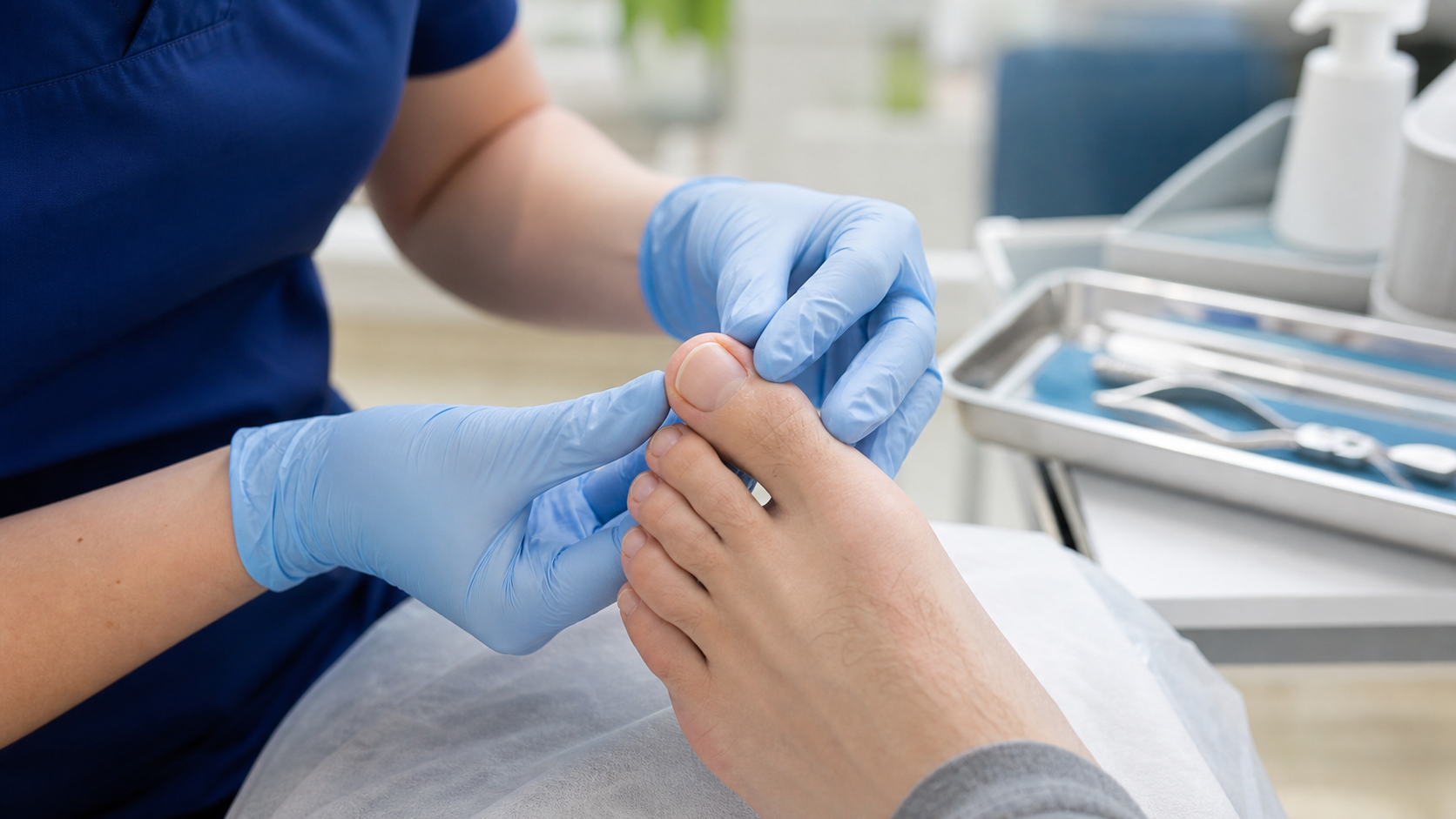
Initial podiatry assessment


How to Prevent Ingrown Toenails

Prevention is preferable to treatment. Whether addressing your initial ingrown toenail or seeking to prevent future incidents, we advise the following measures to maintain foot health:

Correctly Cut Your Nails – Trim your nails following ther natural shape of the nail, avoiding nails that are too long in the corners or excessive shortening.
Select Suitable Footwear – Choose shoes featuring a spacious toe box that allows for adequate toe space, with no pressure on the sides of your nails.
Regulate Footwear Pressure – In high-impact sports such as running and hiking, making sure footwear is the correct size is very important.
Consult Our Specialists – Visit Dunford Health if you observe symptoms of an ingrown toenail or require professional guidance.

.

Contact Dunford Health Today

Ignoring the pain from an ingrown toenail will result worsening pain over time without treatment. The skilled podiatrists at Dunford Health will treat you individually in order to treat your condition as soon as possible. Contact us now to make an appointment because we’re committed to helping you get back on your feet comfortably.
Facebook
Email